
Yes, pigmentation treatments can temporarily make dark spots appear darker. This is a normal part of how certain treatments work, not a sign something has gone wrong.
Yes, pigmentation treatments can temporarily make dark spots appear darker. This is a normal part of how certain treatments work, not a sign something has gone wrong. However, if the wrong treatment is chosen, performed at the wrong time, or followed by unprotected sun exposure, pigmentation can genuinely worsen. The difference lies in thorough assessment, timing, and professional guidance.
You searched this question because you are doing what every thoughtful person does before committing to a treatment: checking whether it is actually safe. Maybe you have been living with sun spots, acne marks, or patches of uneven tone that have been bothering you for months or years. Maybe someone told you they tried a treatment and their skin looked worse for a while, and now you are second-guessing everything. That uncertainty is completely reasonable, and it deserves a clear, honest answer.
Here in Malta, where the sun is intense for most of the year and skin concerns linked to UV exposure and post-acne marks are among the most common reasons people visit a clinic, the question of whether pigmentation treatments are safe is one we address with clients every day at Carisma Aesthetics. This guide walks through what is normal, what is a genuine risk, and how to ensure any treatment you receive supports your skin rather than sets it back. Keep in mind that results may vary for each individual, which is why personalised assessment matters so much.
Why Dark Spots Sometimes Look Darker Before They Fade
One of the most common and misunderstood parts of pigmentation treatment is what happens in the first week or two after a peel or an active topical regimen begins. Spots can look noticeably darker, and for many people, this triggers immediate concern that the treatment is making things worse.
What is actually happening is a process driven by accelerated cell turnover. When a treatment like a chemical peels Malta stimulates the skin to shed its outermost layers more quickly, the pigmented cells sitting deeper in the epidermis are brought to the surface faster than they would travel on their own. As those cells concentrate near the surface, the spots temporarily appear more saturated. Think of it as the pigment rising to meet the light before it is shed away entirely.
This is the same reason that a bruise sometimes looks its worst on day three before it fades: the visible phase is part of the resolution, not a reversal of it. The melanin is not increasing; it is moving upward and preparing to leave.
This temporary darkening is expected with certain peels, with some brightening serums containing acids like glycolic, mandelic, or lactic acid, and following some laser treatments. It is not a cause for alarm when it occurs in the context of a professionally administered treatment with proper aftercare. The darkening should begin to resolve within seven to fourteen days as the treated skin sheds and fresh, clearer skin is revealed beneath.
What matters is understanding whether the darkening you are seeing is this expected phase, or something different. That distinction is exactly why a consultation before any treatment is so valuable.
The Paradox of Pigmentation Treatment
There is a genuine paradox at the centre of pigmentation treatment: the very act of addressing dark spots requires stimulating the skin, and that stimulation, if not carefully managed, can trigger the melanin overproduction you were trying to reduce. Understanding this paradox is what allows a skilled practitioner to work with your skin rather than against it.
Post-inflammatory hyperpigmentation after laser treatment is a real and well-documented risk, particularly in medium to deeper skin tones. The key finding is that the risk is manageable with correct assessment and appropriate treatment sequencing. It is not a reason to avoid treatment; it is a reason to choose your clinic carefully and to insist on a thorough consultation before any procedure begins.
The paradox resolves when treatment is paced correctly, when the right tools are matched to the right skin type, and when aftercare, particularly sun protection, is taken seriously. That combination shifts the odds firmly in favour of improvement rather than worsening.
Why Treatments Can Backfire
Not all darkening after a pigmentation treatment is the innocent, transitional kind described above. In certain circumstances, treatments can genuinely worsen dark spots, and recognising those circumstances is what separates a good clinic from a risky one.
The British Association of Dermatologists explains in their overview of melasma and pigmentation treatments that the skin's response to treatment is not uniform: factors including skin tone, hormonal status, UV exposure history, and the type of pigmentation all influence how skin will respond. This is precisely why a one-size approach to pigmentation carries the risks it does.
Post-Inflammatory Hyperpigmentation (PIH)
Post-inflammatory hyperpigmentation occurs when the skin responds to injury, irritation, or inflammation by overproducing melanin. The skin treats the treatment as an insult and sends melanin-producing cells (melanocytes) into overdrive. The result is new or worsened dark patches that were not present before, or at least not as prominent.
PIH is more likely when treatments are too aggressive for the skin's current condition, when the skin is already inflamed or sensitised, or when the individual's melanocytes are naturally more reactive. People with medium to deeper skin tones (Fitzpatrick skin types III through VI) have a heightened risk, because their skin has more active melanocytes that respond more intensely to inflammation. This does not mean these skin tones cannot benefit from pigmentation treatments; they absolutely can. It does mean the approach must be carefully calibrated. Results may vary for each individual, which is why personalised assessment is essential before any procedure.
The Role of Unprotected Sun Exposure
Malta's sunshine is beautiful, and it is also the single biggest risk factor for pigmentation treatment going wrong. After any peel, microneedling session, or laser treatment, the skin barrier is temporarily disrupted and UV sensitivity increases significantly. If that sensitised skin is exposed to direct sun without adequate protection, the UV stimulus triggers melanin production at exactly the moment when melanocytes are most active and the skin is least protected.
The result is not just a failure to improve. It is active worsening. Dark spots can become darker and broader than they were before the treatment began. This is why sun avoidance and diligent SPF 50 use in the days and weeks following any treatment are non-negotiable, not optional extras.
Treatments That Are Too Aggressive Too Soon
A medium or deep peel applied to skin that has not been prepared, or a laser setting calibrated for a lighter skin tone applied to a darker complexion, can cause significant inflammation that translates directly into PIH. Similarly, stacking multiple active treatments simultaneously, for example, using a retinoid at home while undergoing a course of peels, can overwhelm the skin's healing capacity.
The principle is progressive intensity. Skin needs to be prepared before more aggressive treatments, and any treatment plan should allow adequate recovery time between sessions. Skipping the preparation phase to speed up results is one of the most common reasons people experience genuine worsening rather than improvement.
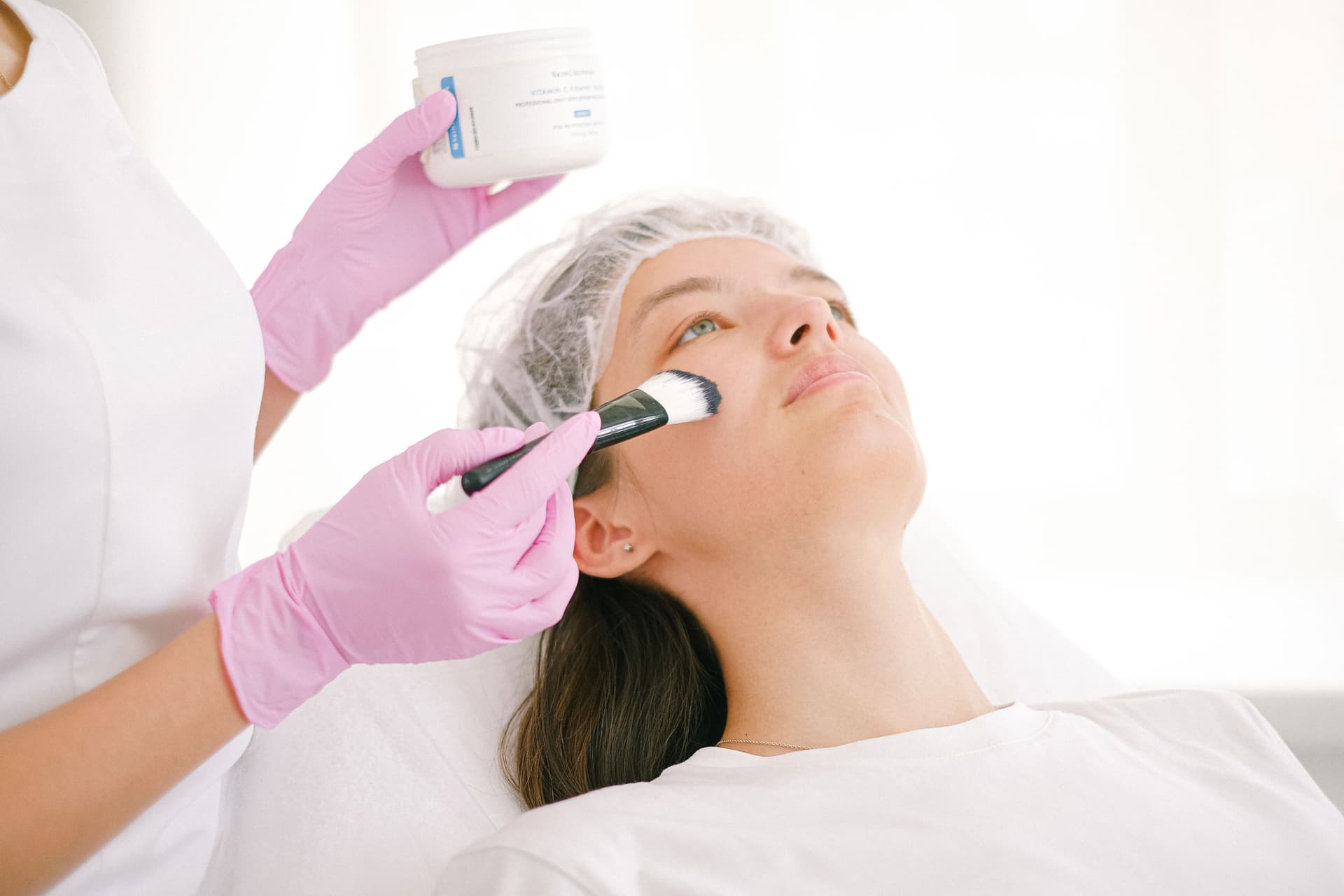
Which Pigmentation Treatments Carry the Lowest Risk of Worsening Dark Spots
Understanding relative risk helps you make an informed choice alongside your practitioner. No treatment is entirely without risk, but the spectrum is wide.
At the lower end of risk for reactive skin types, superficial chemical peels Malta using lactic acid or mandelic acid work gently on the surface layer without triggering the deeper inflammatory response that leads to PIH. These are often the starting point for pigmentation concerns in skin that tends toward reactivity. They improve tone gradually and support the skin's natural renewal without pushing melanocytes into overdrive.
microneedling Malta with appropriate depth settings and a careful recovery protocol can also be effective for post-acne marks and sun-induced pigmentation. The controlled micro-channels stimulate collagen and encourage even cell turnover, but because it is a physical treatment, preparation and sun avoidance are critical.
PRP treatment Malta works by supporting the skin's own healing and renewal processes using growth factors derived from your own blood. Because it works with the skin rather than by removing layers of it, the inflammatory burden is lower, making it a helpful option for sensitive or reactive skin types.
Laser and IPL treatments occupy the higher end of the risk spectrum for PIH, particularly in medium to darker skin tones. They are effective when properly calibrated, but they require thorough skin assessment and often a preparation phase before treatment begins.
The safest path is always a consultation where your skin type, your pigmentation subtype (sun damage, melasma, post-acne marks, or hormonal), and your skin's current condition are assessed before any treatment is chosen. A plan built on that information is far more likely to produce the result you are hoping for.
Malta's Climate and Why It Changes Everything About Pigmentation Treatment
This section is the one you will rarely find on a generic skincare blog, and it is the most relevant one if you live or holiday in Malta.
Malta receives more than 3,000 hours of sunshine per year, which places it among the sunniest locations in Europe. UV index readings regularly reach 10 or 11 during summer months, classified as "very high" to "extreme" by the World Health Organization. For anyone seeking to treat pigmentation, this changes the timing and the approach entirely.
In many climates, a practitioner might recommend starting a peel course in autumn and continuing through winter when UV exposure is manageable. In Malta, even the autumn and winter sun is stronger than what most northern Europeans would experience in June. This means sun protection must be year-round and more rigorous than the standard advice suggests.
It also means that treating pigmentation without addressing the UV trigger is treating the symptom while leaving the cause in place. Sun damage, one of the most common sources of dark spots for women living in Malta, will continue to drive melanin overproduction unless UV exposure is genuinely reduced. No treatment, however well-chosen, will hold its results if the skin is regularly exposed to unprotected sun.
The practical implication is that pigmentation treatment in Malta works best when it is seasonal. Most practitioners here would recommend beginning a course of treatments in October or November and completing the active treatment phase before the intense summer UV returns. Maintenance and protection can continue year-round, but the intensity of treatment aligns with the UV calendar.
There is also the matter of how Malta's mixed Mediterranean and North African heritage means that a significant proportion of the local population has Fitzpatrick skin types III through V, precisely the tones that require the most careful treatment calibration. A clinic that understands the local skin landscape will always produce better outcomes than one applying a one-size approach.
Choosing a clinic in Malta that takes all of these factors into account, your skin type, the local UV reality, the timing of your treatment, and your specific type of pigmentation, is the difference between results that last and results that disappoint or even worsen.
Frequently Asked Questions About Pigmentation Treatments in Malta
Why are my dark spots darker immediately after a chemical peel?
Temporary darkening immediately following a chemical peel is a normal part of the treatment process. The peel accelerates cell turnover and brings pigmented cells closer to the skin's surface more rapidly than they would travel on their own. As those cells concentrate in the upper layers, spots temporarily look more saturated. This phase typically resolves within seven to fourteen days as the treated skin sheds, revealing clearer skin underneath. If darkening persists beyond three weeks or spreads significantly, contact your practitioner to rule out post-inflammatory hyperpigmentation.
Can laser treatment make pigmentation worse permanently?
In most cases, worsening following laser treatment is not permanent, but it can be prolonged if not managed correctly. Post-inflammatory hyperpigmentation (PIH) triggered by laser is most likely in medium to deeper skin tones and when the treatment is followed by unprotected sun exposure. With appropriate skin preparation before treatment, correct laser settings calibrated to your skin type, and diligent sun protection afterwards, the risk of PIH is significantly reduced. Permanent worsening is rare when treatment is performed by an experienced practitioner who has assessed your skin thoroughly beforehand. Results may vary for each individual.
Is it normal for dark spots to get worse before they get better?
Yes, for certain treatments this is a normal and expected part of the process. Chemical peels, some laser treatments, and active brightening topicals can all cause a temporary phase of apparent darkening as the skin accelerates its natural shedding cycle and brings pigmented cells to the surface. This is a sign that the treatment is working, not a sign that it has gone wrong. The key distinction is that this temporary darkening should be contained to the treated spots, should not be accompanied by significant redness or swelling beyond the expected post-treatment period, and should begin improving within one to two weeks.
How long does post-treatment darkening last?
The expected temporary darkening that follows treatments like chemical peels or brightening actives usually resolves within seven to fourteen days. Post-inflammatory hyperpigmentation (PIH), which is a separate, unintended response, can take four to twelve weeks to fade with appropriate care, including sun protection and topical agents to support an even skin tone. If you are concerned about how long darkening is lasting after a treatment, it is always worth returning to your practitioner for a follow-up assessment rather than waiting and wondering.
Are pigmentation treatments safe for darker skin tones?
Yes, pigmentation treatments can be very effective for darker skin tones, but the approach must be carefully personalised. Darker skin (Fitzpatrick types III to VI) has more active melanocytes and carries a higher risk of post-inflammatory hyperpigmentation if treatments are too aggressive or if the skin is not properly prepared. Superficial peels, microneedling, and PRP are often excellent starting points. Laser treatments can also be used but require settings specifically calibrated for deeper skin tones. A thorough skin assessment before treatment is essential, and results may vary for each individual depending on skin type and the specific concern being addressed.
How soon after summer can I start pigmentation treatment in Malta?
In Malta's climate, October is generally when it becomes appropriate to begin or resume a course of pigmentation treatments. By then, UV intensity has reduced enough that the skin can recover without the constant stimulus of strong sun driving further melanin production. Beginning treatment in October or November allows a full course of sessions through the cooler months before the following summer. That said, individual circumstances vary. If you have particularly reactive skin or are newer to these treatments, your practitioner may recommend beginning with skin preparation at home before starting clinic treatments. A consultation in September or early October will give you a personalised timeline.
If you have been researching whether it is safe to begin treating your pigmentation in Malta, the honest answer is that it can be very safe and very effective, when the timing is right, the treatment is matched to your skin type, and the plan includes real protection from Malta's sun. At Carisma Aesthetics, our chemical peels Malta are chosen and administered based on a thorough assessment of your skin, your concerns, and your lifestyle. Whether you are starting to notice early sun spots in your late twenties, managing acne marks in your thirties, or looking to restore a clearer, more even tone at any age, there is a plan that can be personalised to where your skin is right now.
Related Treatments


