SPF every morning. Vitamin C at night. Three years of hoping it would fade on its own. And yet the patches across your cheeks are still there, deeper in some places, stubbornly lighter in others. You've been patient and consistent. Somehow that still isn't enough. If this sounds familiar, you're far from alone. Pigmentation is one of the most common skin concerns we see at Carisma Aesthetics, and one of the most frequently misunderstood. Whether you're dealing with melasma that appeared...
SPF every morning. Vitamin C at night. Three years of hoping it would fade on its own. And yet the patches across your cheeks are still there, deeper in some places, stubbornly lighter in others. You've been patient and consistent. Somehow that still isn't enough.
If this sounds familiar, you're far from alone. Pigmentation is one of the most common skin concerns we see at Carisma Aesthetics, and one of the most frequently misunderstood. Whether you're dealing with melasma that appeared during pregnancy, sun spots that built up over years of Maltese summers, or an uneven skin tone that no amount of concealer can fully even out, pigmentation treatment in Malta has advanced enough to offer real, visible results. You just need the right plan for your skin.
This guide walks you through the options clearly and honestly.
What Is Skin Pigmentation, and Why Does It Happen?
Skin pigmentation refers to the colouration of your skin, controlled by a pigment called melanin. When melanin distributes evenly, skin looks clear and consistent. When certain cells overproduce it in concentrated areas, you get darker patches, what clinicians call hyperpigmentation.
Several things can set this process off. In Malta, sun exposure is the most common driver. The UV index climbs to 7-10 from May onwards, rated High to Very High by the WHO. Years of Mediterranean sun causes melanin to cluster unevenly, producing the brown spots and sun spots that are so familiar to women here.
Hormonal changes are the second major trigger. Pregnancy and the contraceptive pill can both activate melasma, a form of hyperpigmentation that typically settles across the cheeks, forehead, and upper lip. Research published in the Journal of the American Academy of Dermatology notes that melasma affects approximately 90% of pregnant women to some degree. For some women, it fades after delivery. For others, it lingers for years and deepens each summer.
Post-inflammatory hyperpigmentation (PIH) follows skin trauma, whether that's acne, a minor scratch, or even aggressive waxing, and leaves dark marks that can take months to fade on their own. And as we age, the skin gradually loses its ability to regulate melanin distribution, which is why uneven skin tone tends to become more noticeable through your 40s and 50s.
Identifying which type of pigmentation you have matters, because the treatments that work best for each are genuinely different.
How Do Professional Pigmentation Treatments Work?
Brightening serums and over-the-counter products have their place. But they work at the surface. Professional treatments work on the cells themselves, interrupting the overproduction of melanin and accelerating your skin's natural renewal cycle from within.
At Carisma Aesthetics, our clinical team builds a treatment plan around your specific skin type, the nature of your pigmentation, and your lifestyle. There's no single protocol that works for everyone. The most effective options we use include the following.
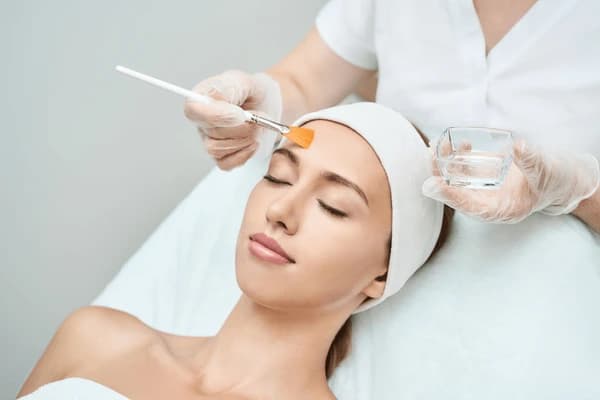
Chemical peels use carefully calibrated acids to lift the top layers of skin where pigment is concentrated, revealing more even-toned skin beneath. A chemical peels Malta session can be adjusted in strength, from lighter peels with no downtime to deeper peels for more stubborn pigmentation. They're often the gentlest and most versatile starting point.
Microneedling creates fine channels in the skin that trigger collagen production and allow brightening serums to reach deeper layers than any topical product can. A course of microneedling Malta sessions works well for improving overall skin tone and texture alongside targeted pigment concerns.
Laser treatments use focused light energy to fragment melanin clusters beneath the skin surface, which the body then clears naturally. Our clinic uses Alma laser technology, which allows precise targeting by depth and pigment type. That said, laser isn't always the right first step, and this is where honest clinical guidance matters most.
Some pigmentation, particularly melasma, requires specialist assessment before laser treatment. Certain wavelengths can temporarily worsen melasma if used without proper evaluation of the skin. This is why our consultations are genuinely thorough, not just a formality. They protect your results.
Which Pigmentation Treatment Is Right for You in Malta?
There's no universal answer, which is exactly why the consultation matters.
Clinicians use a classification system called Fitzpatrick skin typing to assess how different skin tones respond to light-based and chemical treatments. Darker skin types (Fitzpatrick IV-VI) require more careful calibration to avoid inadvertently triggering further pigmentation. This isn't a barrier to treatment. It's a reason to be selective about where you go.
At Carisma Aesthetics, we regularly treat clients across the full spectrum of skin tones, which reflects Malta's genuinely diverse patient base. Before recommending any protocol, our clinical team assesses your Fitzpatrick type, your pigmentation history, and what you're hoping to achieve.
Take Diane, 44, from Naxxar. She developed melasma during her second pregnancy, and three years on, it still hasn't fully resolved. Last summer made it worse despite consistent SPF use. For someone in her position, a course of chemical peels combined with a professional home care routine is likely the safest and most effective starting point, with a reassessment before any laser treatment is considered.
For lighter skin tones with sun spots or post-inflammatory marks, laser often delivers faster improvement. For diffuse uneven tone across the whole face, a combination protocol tends to outperform any single treatment.
Not sure where to start? Book a free consultation at Carisma Aesthetics and our clinical team will identify exactly which approach is right for your skin.
What to Expect From Pigmentation Treatment at Carisma Aesthetics
Your first appointment is a consultation. Not a sales pitch, not a pre-treatment. A genuine assessment of your skin, your medical history, and your goals. You'll leave with a clear protocol and an honest picture of what's realistic for you.
Before treatment begins, many clients are advised to follow a preparatory home care routine for four to six weeks. This typically includes SPF50 (which blocks 98% of UVA and UVB rays) and sometimes a prescription-strength brightening ingredient to prime the skin. It's a step that genuinely improves results, and we won't skip it.
During treatment, most clients describe chemical peels as a mild tingling sensation. Microneedling involves some warmth and gentle pressure. Laser treatments vary by type, and your clinician will walk you through exactly what to expect for your specific protocol before you begin.
After your session, some redness and sensitivity is completely normal and usually resolves within 24 to 48 hours. Chemical peels cause mild peeling over the following days. Your clinician will give you specific aftercare guidance, and throughout your treatment course, consistent SPF becomes essential.
Results build gradually as your skin renews. Most clients notice meaningful improvement within four to six weeks of their first session, with further progress over the full course. Results may vary for each individual, and your team will check in at each stage to adjust the protocol as needed. With over 150 five-star reviews, Carisma Aesthetics has earned its place as Malta's trusted name in evidence-led skin care.
Can You Prevent Pigmentation from Coming Back?
Pigmentation can come back, particularly melasma, which is closely tied to both UV exposure and hormonal activity. Prevention isn't a bonus add-on. It's built into the treatment plan from the start.
Daily SPF50 is the most impactful single habit you can build, and it needs to be reapplied every two hours when you're outdoors. In Malta, where UV intensity is genuinely high from April through October, this isn't optional. A wide-brimmed hat and shade during peak hours (11am to 3pm) further reduce the daily UV load on your skin.
Maintenance treatments make a significant difference too. Many of our clients choose a light chemical peel once or twice a year to keep pigmentation from re-establishing, particularly in spring before the Maltese summer arrives and UV exposure intensifies.
If hormonal triggers are part of your picture, whether from the pill, HRT, or previous pregnancies, our team will factor this into your plan from the beginning.
FAQs About Pigmentation Treatment in Malta
Can laser treatment make melasma worse?
Yes, in some cases it can. Certain laser wavelengths can stimulate the melanocytes (your pigment-producing cells) in melasma-prone skin, triggering a flare rather than an improvement. This is a well-recognised clinical consideration, which is why specialist assessment before any laser treatment is a firm requirement at our clinic. For melasma specifically, we usually recommend starting with chemical peels or a topical protocol and reassessing before introducing laser. Honest guidance upfront protects your results later.
How many sessions will I need to see results?
Most clients notice visible improvement after two to four sessions, though this varies depending on the type and depth of pigmentation. Superficial sun spots tend to respond faster than melasma, which usually requires a longer course. Your clinician will set realistic expectations at your consultation. Progress also depends on consistent SPF use throughout treatment. Skipping sun protection between sessions genuinely slows results.
Is pigmentation treatment safe for darker skin tones?
Yes, absolutely, when performed by a clinician who genuinely understands Fitzpatrick skin typing. Darker skin tones require careful selection of treatment type, strength, and energy levels. At Carisma Aesthetics, our team regularly treats clients across all skin tones. The Alma laser technology we use includes specific protocols designed for darker complexions. Safe and effective treatment for deeper skin tones isn't a compromise. It requires expertise, and that's something we take seriously.
How much does pigmentation treatment cost in Malta?
Costs depend on the type of pigmentation, the area being treated, and the protocol recommended. A course of chemical peels is typically the most accessible starting point. Laser treatments vary by session count and treatment area. We don't publish fixed prices because every plan is built individually. The best way to get a realistic figure is to come in for a consultation. There's no charge and no commitment involved.
Can I get pigmentation treatment while pregnant or breastfeeding?
Most professional pigmentation treatments, including chemical peels, laser, and microneedling, are not recommended during pregnancy. If you're breastfeeding, the picture is more nuanced and is assessed case by case depending on the treatment and the ingredients involved. Topical vitamin C and daily SPF are generally considered safe and can help manage mild pigmentation in the meantime. Your clinical team will advise you on what's appropriate for where you are right now.
Your Clearest, Most Even Skin Is Closer Than You Think
Pigmentation builds quietly over years. But it doesn't have to stay. Whether you're managing melasma that arrived during pregnancy and never quite resolved, sun spots from years of Maltese summers, or a skin tone that's gradually become harder to feel confident in, there is a treatment pathway that works for your skin.
It starts with an honest conversation. A proper assessment. A protocol built around you, not a generic plan pulled off a shelf.
At Carisma Aesthetics, we've helped hundreds of women across Malta feel genuinely confident in their skin again. We believe you're already beautiful. We're here to help you glow.
Book your free pigmentation consultation at Carisma Aesthetics.
Related Treatments