PRP Facial in Malta: What the Vampire Facial Actually Does to Your Skin
- 4 days ago
- 7 min read
The name doesn't do it any favours. "Vampire facial" sounds dramatic at best, gimmicky at worst, and somewhere between a celebrity Instagram post and a Halloween costume. If you've scrolled past it and kept moving, you're in good company. Most women in Malta dismiss it for exactly that reason.
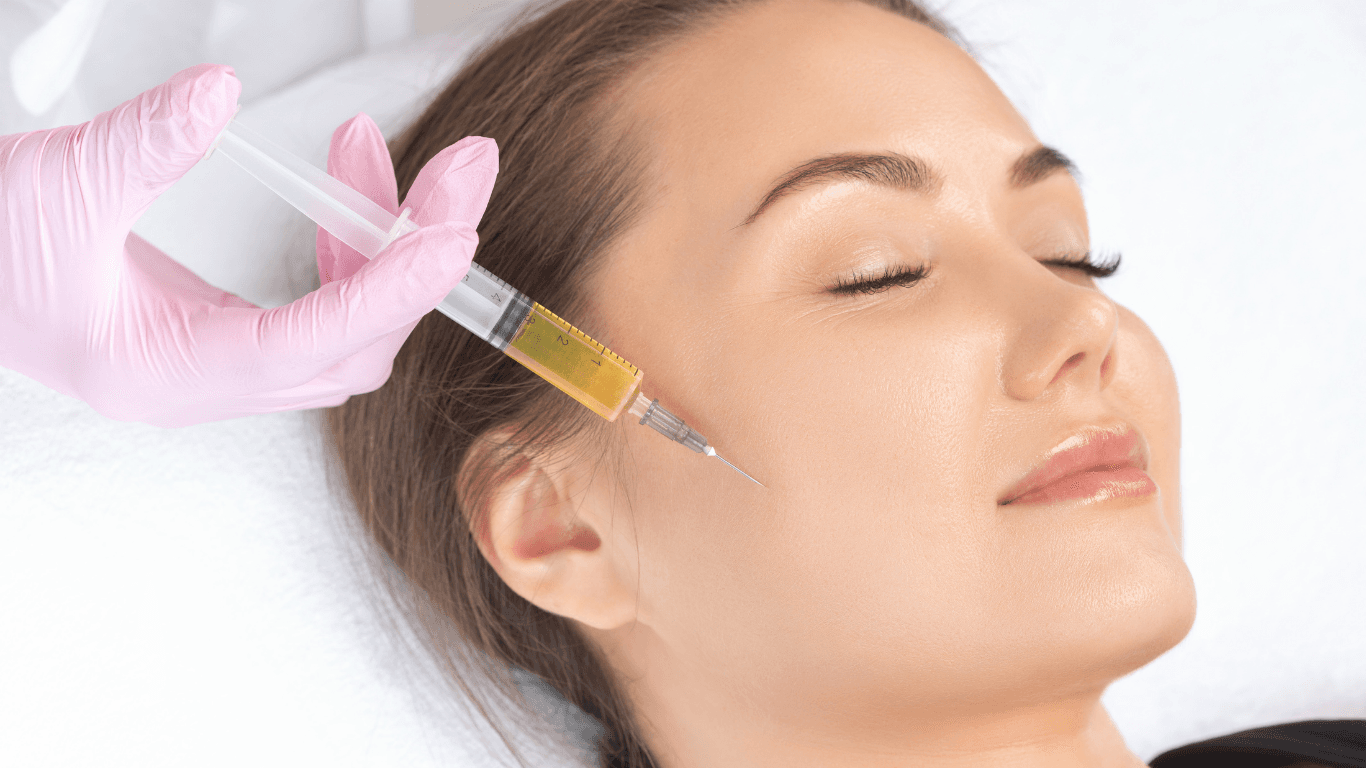
The treatment itself, though, is something different. A PRP facial uses platelet-rich plasma drawn from your own blood to stimulate your skin's natural regeneration processes. It's been used in orthopaedic medicine and wound care for decades. Its application in skin rejuvenation isn't a trend lifted from celebrity culture; it's a clinical extension of the same science. No foreign substances. No synthetic fillers. Just your own biology, concentrated and redirected.
At Carisma Aesthetics, we offer PRP facial treatment in Malta as part of a personalised skin renewal protocol. If your skin has been looking dull, tired, or just less like itself lately, this is worth understanding properly.

What Is PRP and Where Does It Come From?
PRP stands for platelet-rich plasma, a concentration derived from your own blood. Blood is made up of red cells, white cells, plasma, and platelets. Platelets are responsible for clotting when you're injured, but they also carry growth factors that signal your body to repair and regenerate.
A small blood sample is drawn and placed in a centrifuge that spins at high speed, separating the components by density. What remains is a layer of plasma concentrated in platelets and the growth factors they carry: VEGF (vascular endothelial growth factor), which supports new blood vessel formation; TGF-beta (transforming growth factor), which regulates tissue repair; and PDGF (platelet-derived growth factor), which stimulates cell growth. Research by Dhurat and Sukesh (2014) outlines the preparation and clinical applications of PRP across orthopaedics, wound healing, and dermatology.
These growth factors communicate directly with your skin cells, encouraging collagen production, supporting cellular turnover, and improving circulation at the tissue level. Because the plasma comes entirely from you, the risk of an allergic reaction is essentially zero. That's not a marketing claim. It's basic biology.
How Is a PRP Facial Performed at Carisma Aesthetics?
At our Malta clinic, a PRP facial begins before you arrive. Your clinical consultation shapes every step that follows. Our team reviews your skin concerns, your medical history, and what you're hoping to restore. The treatment you receive is built around that conversation.
On the day of your session, the process moves through five stages. First, a small blood draw from the arm. The volume is typically 10 to 20ml, similar to a standard blood test. The sample goes straight into the centrifuge, which takes a few minutes to separate the plasma.
While the centrifuge runs, a topical numbing cream is applied to your face. By the time the PRP is ready, the skin is comfortable and prepared. The PRP is then applied to the treatment area. Depending on your individual protocol, this may involve microneedling Malta to create microchannels that allow the growth factors to absorb deeply into the dermis, or targeted injection into specific areas. The final stage is your aftercare briefing. Some redness and mild swelling for 24 to 48 hours is normal; it's the biological response doing exactly what it should.
A typical session runs 60 to 75 minutes in total. A clinical consultation is required to assess suitability before booking.
What Skin Concerns Does PRP Treat Best?
PRP works where the underlying skin architecture has softened or lost its vitality. It won't replace volume the way dermal fillers do, and it won't relax muscle movement the way wrinkle-relaxing injections work. Its particular strength is cellular regeneration.
The skin concerns it addresses most effectively include fine lines and early wrinkles, especially around the eyes and mouth where the skin is thinnest. Patients with dull or fatigued-looking skin often see the most striking response, as improved circulation and collagen activity restore a more luminous quality to the complexion. Uneven texture, enlarged pores, and post-acne marks also respond well, since all of these involve the dermis remodelling itself. Under-eye hollowing and dark circles are another area where PRP can make a meaningful difference by improving the skin quality in a particularly delicate zone.
A systematic review of PRP in dermatology reported improved skin texture at three-month follow-up in patients who completed a multi-session protocol. Results vary between individuals, and outcomes depend on skin condition, age, lifestyle, and the number of sessions.
PRP also extends beyond the face. PRP hair treatment Malta patients ask about regularly at our clinic uses the same regenerative growth factors applied to the scalp to support hair density and follicle health.
PRP vs Other Skin Rejuvenation Treatments: How Does It Compare?
Knowing where PRP sits among other treatments helps you and your clinician decide whether it belongs in your protocol.
PRP vs microneedling Malta: Microneedling alone stimulates collagen by creating controlled micro-injuries in the skin. When PRP is applied during a microneedling session, the growth factors flood the open channels immediately after they're created, deepening the regenerative effect. Our clinical team frequently uses both together for this reason.
PRP vs mesotherapy Malta: Mesotherapy delivers vitamins, amino acids, and hydrating agents directly into the skin. It's very effective for brightening and hydration. PRP is more oriented toward structural regeneration. Some patients benefit from both at different points in their skin care calendar.
PRP vs collagen stimulator Malta: Collagen stimulators introduce bio-stimulatory agents that trigger collagen production. PRP works toward a similar cellular outcome using entirely your own biology. The choice between them comes down to your specific skin goals and what your clinician recommends after a thorough assessment.
No single treatment is right for every skin. The one that's right for you is the one that matches what your skin actually needs. That conversation starts with a consultation.
What Results Can You Expect and How Many Sessions Do You Need?
PRP doesn't produce results the morning after. This is worth knowing upfront. It's not a weakness of the treatment; it's how biology works. The collagen remodelling that drives visible improvement takes time to develop.
In the 24 to 48 hours after your session, some redness and mild swelling is typical. By the four to six week mark, most patients begin noticing the difference. Skin looks more rested. Texture feels smoother. The full effect develops over approximately three months as collagen production continues.
After completing a full PRP protocol, patients commonly notice a more radiant and even complexion, softer fine lines in high-movement areas, reduced appearance of pores, and a visible improvement in post-acne marks. Results may vary for each individual, and outcomes depend on skin condition, age, and lifestyle factors including sun protection and nutrition.
Most patients achieve the best results from a course of three sessions spaced four to six weeks apart. If you're considering summer skin renewal in Malta, May is a genuinely good time to begin. Starting now means your third session lands in late June or early July, with your skin at its best for the summer months. Maintenance after the initial course typically requires one session every six to twelve months.
We've supported hundreds of patients at our Malta clinic through this process. The consistent feedback is that the results feel natural, because they come entirely from within.
FAQs About PRP Facial Treatment in Malta
Is the PRP facial painful?
Discomfort during a PRP facial is typically mild. A numbing cream is applied before the session begins, so your skin is desensitised well before any microneedling or injection takes place. Most patients describe the sensation as light pressure or a mild tingling. The blood draw feels the same as any routine blood test. If you're particularly sensitive to discomfort, mention this during your consultation and the team will adjust accordingly.
How long does a PRP facial take?
A full session runs approximately 60 to 75 minutes, including the blood draw, centrifugation, numbing, and treatment itself. Your first appointment will include a pre-treatment consultation, so allow a little extra time. It's worth giving yourself a relaxed slot in your diary rather than scheduling it between other commitments.
How many PRP sessions will I need?
The standard PRP protocol is three sessions, spaced four to six weeks apart. This interval gives the collagen remodelling process time to progress between sessions. Starting in May in Malta means your third session completes in late June or early July, which is well-timed for summer. After the initial course, most patients return for one maintenance session every six to twelve months.
Can PRP be combined with other treatments?
PRP is frequently combined with microneedling at our clinic, which deepens how far the growth factors penetrate and amplifies the regenerative effect. It can also be sequenced with hydration treatments or mesotherapy depending on your skin's individual needs at each stage. Your clinical team will recommend the most effective combination during your consultation.
How much does a PRP facial cost in Malta?
Pricing varies depending on the areas treated and whether PRP is part of a combined protocol. We don't publish a fixed figure because a package built around your skin's specific needs may look different from a standard single-area session. We recommend booking a free consultation at Carisma Aesthetics where our clinical team can walk you through a personalised treatment plan and clear pricing. It's a conversation about your skin, not a sales pitch.
Your Own Biology Is One of the Most Powerful Tools for Skin Renewal
PRP moved from operating theatres into aesthetic clinics because the science behind it holds up. It works with your body's own repair intelligence, not alongside something foreign or synthetic. When your skin looks tired or flat, it's often because the regenerative signals have slowed. PRP gives them a precise, concentrated boost.
For women in Malta who want skin that looks better because it genuinely is better, this treatment offers something most cosmetic procedures can't: results that are biologically yours. Not a surface gloss. A real improvement in the quality of the skin itself.
At Carisma Aesthetics, every PRP treatment is designed to your skin, your timeline, and your goals. Our clinical team is experienced, our protocols are evidence-led, and our Malta clinic is built to make this process feel straightforward and considered.
If you've been curious, now is a good time to find out whether it's right for you.
Minor blood draw required. Clinical consultation required to assess suitability. Results may vary for each individual.

